

For your role

Two steps on your side, the cycle does the rest

Equipment stays in place, surfaces stay uncovered and nobody has to wipe down surfaces behind the equipment by hand. The cycle takes 20 minutes, needs no supervision or ventilation and is recorded automatically. Below you will find the scope of operation, staff safety and how it relates to your hygiene plan.

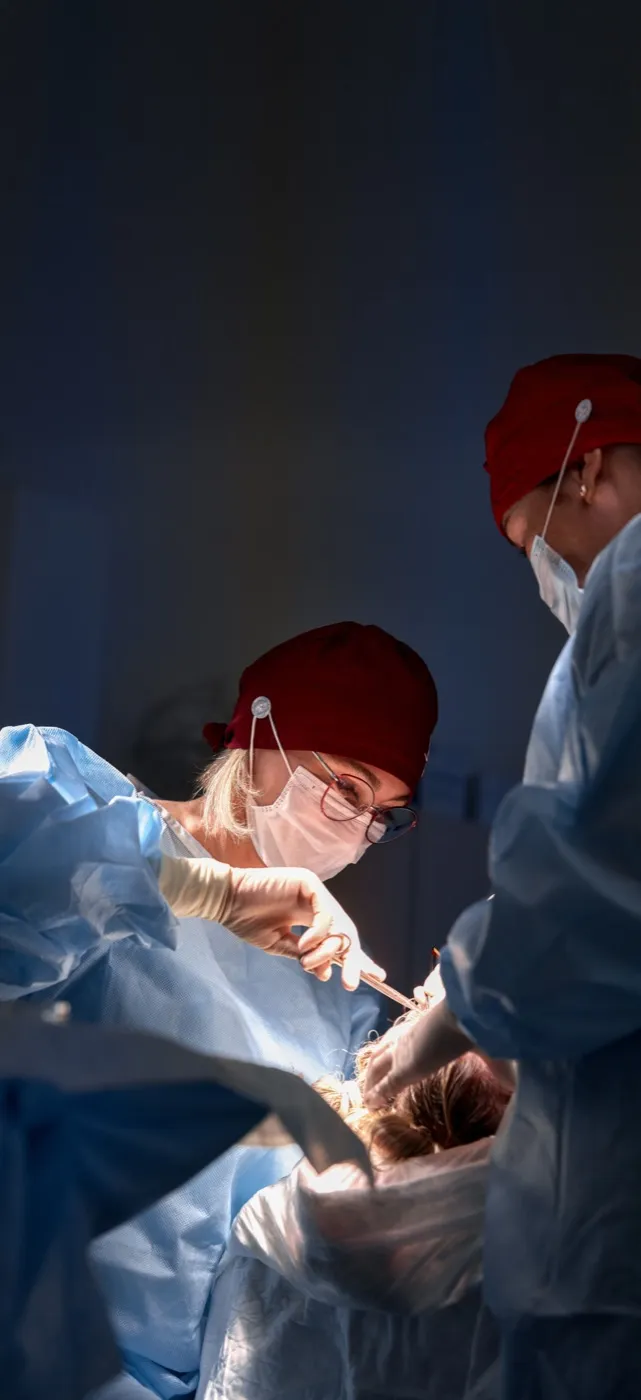
A healthcare worker's hands preparing an operating theatre

What you gain

What changes on your shift

One step is added, and it takes over part of the work from staff.

01

Surfaces out of reach

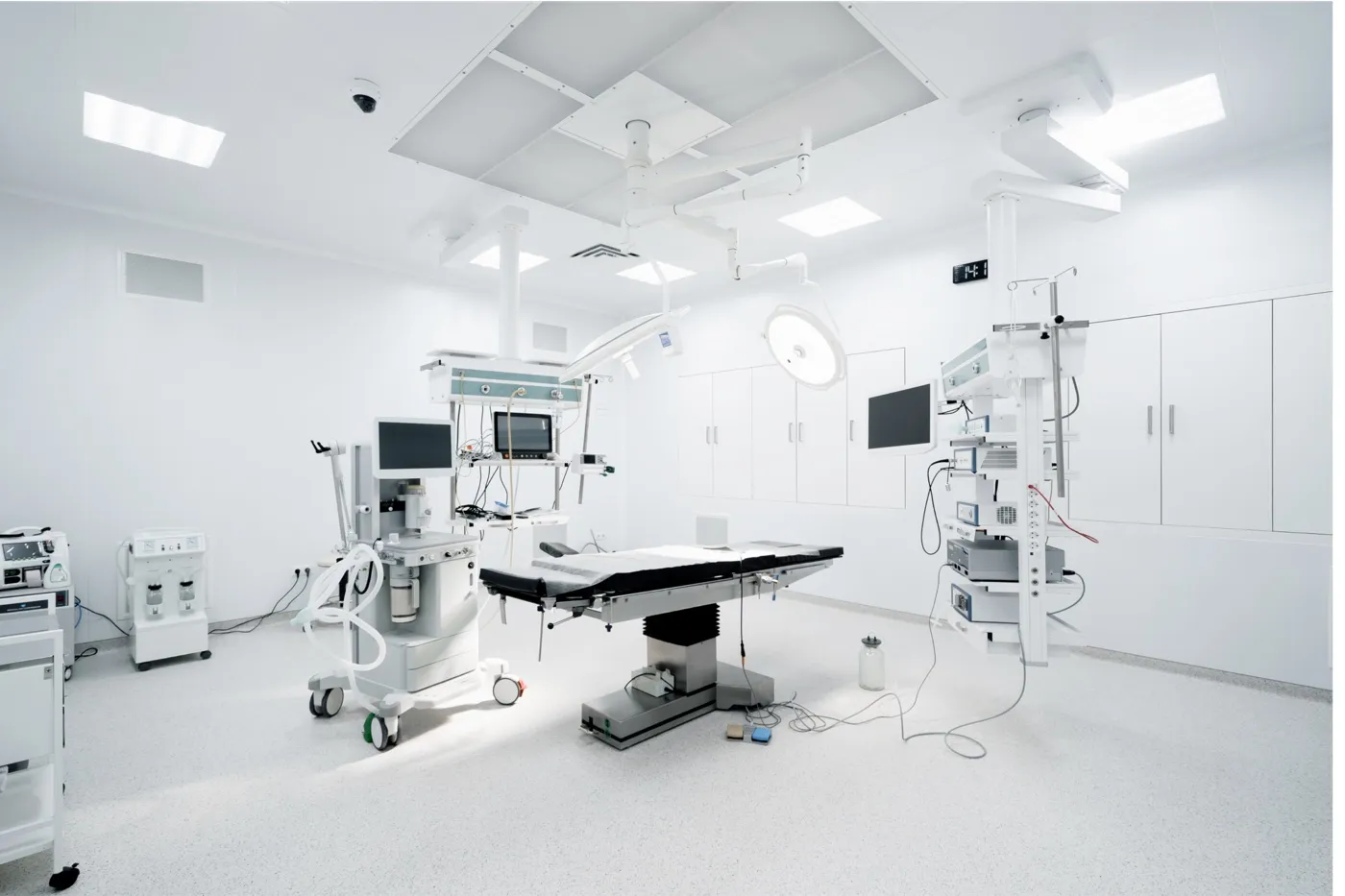
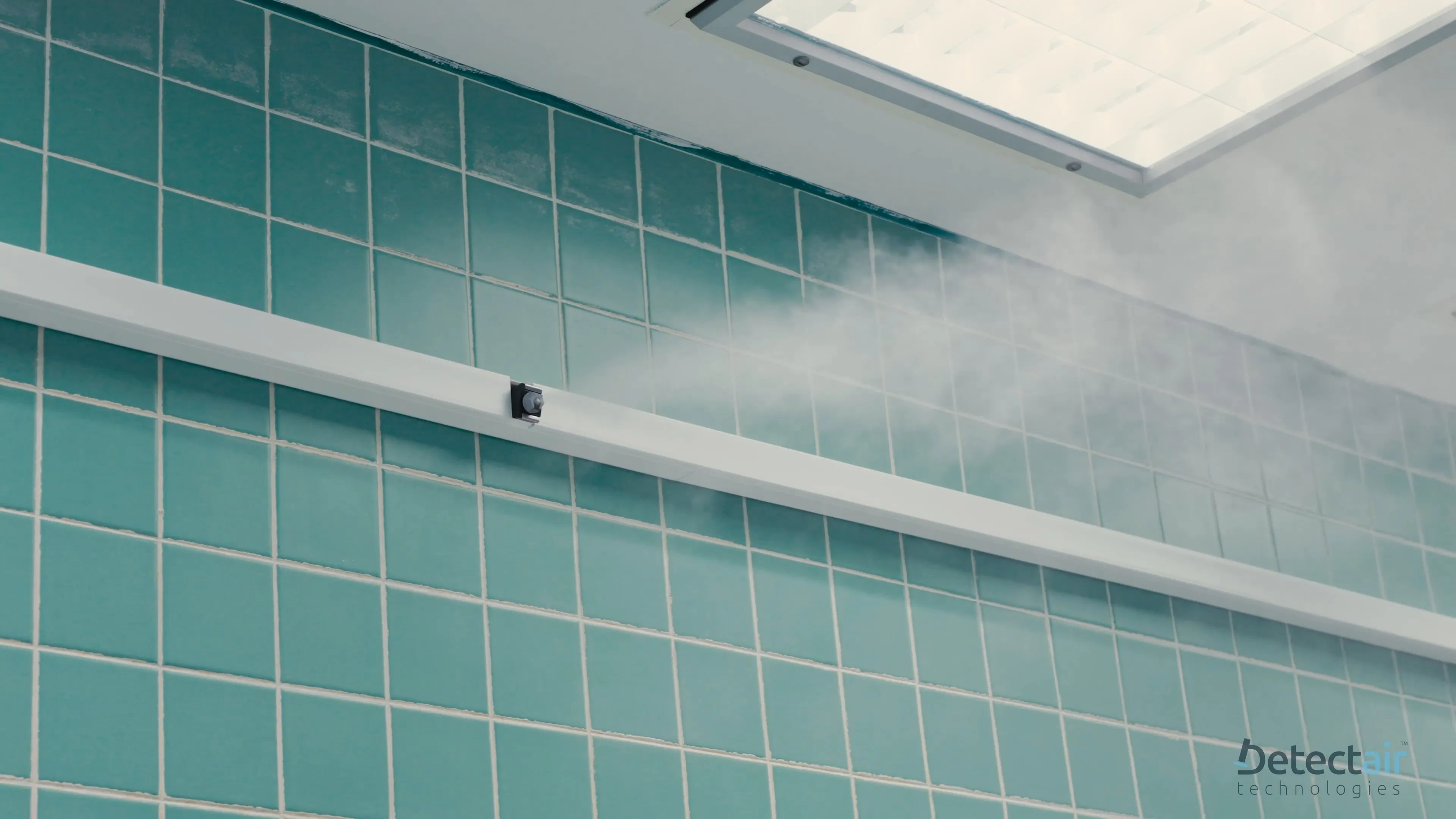
The fog fills the entire volume of the room. It reaches behind equipment, into corners and onto shadowed areas that remain untouched during wiping. Not because someone skipped them, but because they cannot be reached without moving equipment.
02

Equipment stays where it is

Nothing is moved, carried out or covered. Surfaces can remain uncovered and electronics plugged in. The fine droplets do not coalesce into drops on surfaces, so the surfaces stay dry.

03

A predictable twenty minutes

Five minutes of application and fifteen minutes of exposure. The cycle is not a task done “as and when possible”. It is an item in the schedule that always takes the same time and blocks no one. From the Professional level, a record of every cycle is created automatically, with operator identification, and nobody has to write it down by hand.

04

Lower load in the air you work in

A measurement on a university hospital ward showed, with daily application, a 95% reduction in airborne microbial load after 180 days. A lower load in the room does not concern only the patient. Staff are in the same environment for the whole shift, every day.

Scope of operation

Two steps at the start of the cycle

The whole cycle takes 20 minutes and requires no supervision. Operation consists of two steps once routine disinfection has been completed.

  • 01

    Closing the room and starting

    Staff leave the room, close the door and start the cycle with a button. If a schedule is set, the cycle starts automatically.

  • 02

    The cycle runs unsupervised

    During the cycle, staff do not need to be present near the room.

  • 03

    Room ready for use

    The room is dry, odour-free and ready for the next procedure. Nothing needs wiping or putting back after the cycle.

The MEDIfogg® solution

Before starting

Procedure before starting the cycle

Five points staff go through before pressing the button. Two of them are the actual operation of the system.

  1. Step 01

    Disinfection

    Complete routine cleaning and disinfection according to your hygiene plan, exactly as before. MEDIfogg® does not replace manual disinfection but follows on from it. It treats places a cloth cannot reach and also compensates for the human factor, which can never be ruled out in manual work, especially under time pressure and on night shifts. The system is ready 24 hours a day, 7 days a week, and every cycle runs the same way.

  2. Step 02

    Equipment and fittings

    Equipment does not need to be carried out, moved or covered. Monitors, devices and electronics can stay in place and plugged in. Dry fog does not condense, so surfaces stay dry, and it also treats surfaces behind and beneath equipment. It also disinfects the surfaces of specialised medical and laboratory equipment that are difficult to clean by hand. That is further added value for your department.

  3. Step 03

    Supplies and instruments

    Put away sterile supplies and opened instruments according to your protocol, just as with any other room disinfection. Other theatre equipment can stay in place.

  4. Step 04

    Empty room

    Check that nobody is in the room and close the door. The ventilation can be running or switched off; we adapt the settings to your operation during installation. Nothing more is needed.

  5. Step 05

    Start and record

    You start the cycle with a single button, or it runs automatically on a schedule. From the Control level, it is started with an RFID card, so only trained operators can start it. From the Professional level, data on every cycle is archived automatically, and Enterprise also records who started the cycle. This gives you evidence for hygiene and for inspections, and staff do not have to write anything down by hand. Once the cycle is complete, the room is ready without ventilation and without wiping.

Staff protection

Safety for operating staff

Operational safety rests on these measures.

  • Cycle with no one present

    Disinfection takes place in a closed room with no one present. The cycle is started after staff have left the room.

  • The fog breaks down into water and oxygen

    After the cycle, the hydrogen peroxide breaks down into water and oxygen. Silver is present in the product only in trace amounts, below 0.02%, so no harmful or visible residues remain in the room. There is no need to wait for ventilation or extraction.

  • Start linked to authorisation

    From the Control level, starting is linked to an RFID card, so only an authorised person can start the cycle.

  • Entering the room during a cycle

    If someone enters by mistake, nothing serious happens. The concentration is low and a short stay is not dangerous. Simply leave the room and stop the cycle with the button on the unit. From the Professional level, staff can see the progress of the cycle on the display outside the theatre and can also stop it from there.

Equipment

Effect on equipment and instruments

The main difference between dry fog and spraying is that dry fog does not wet surfaces.

Dry surfaces after the cycle

The droplets are so small that they do not coalesce into drops on surfaces. The room is not wet after the cycle and no water seeps into equipment or sockets.

Electronics stay in operation

Equipment does not need to be disconnected or removed from the room. Monitors, computers and medical equipment can stay plugged in and ready for the next procedure.

No damage to surfaces

No deposits or odour remain. Stainless steel and painted surfaces do not go dull, and the fog does not even harm plants.

Your routine and training

How it fits your existing hygiene plan

MEDIfogg® is a complement, not a replacement. Wiping, surface disinfection and existing protocols remain unchanged. One step is added, which the higher system levels record automatically.

01

Documentation

From the Control level, the cycle is started with an RFID card, so only an authorised person can start it. From the Professional level, every cycle is recorded automatically with date, time and room, and the history remains archived and available for inspections. Enterprise also adds operator identification to the record.

02

Training

Training takes place directly at your site and takes one afternoon. Together with your staff, we go through preparing the room before the cycle, starting the system and what to do when a message appears on the display or a notification arrives. Every shift receives written instructions, and we issue a training record for your documentation.

The MEDIfogg® solution

Questions

Frequently asked questions from staff

  • No. The cycle runs fully automatically and stops by itself when it is finished. Nobody has to stand at the door, watch the clock or check anything. In the meantime, staff can attend to patients or other work. At the Professional and Enterprise levels, there is a control module with a display outside the theatre, where everyone can see at a glance that a cycle is in progress and can also stop it there if needed.

Request a meetingSafety and certification

Call us or fill in the form

Contact form

What interests you most about MEDIfogg®?
Choose the topics that matter most to you and we will get back to you with exactly what you are interested in.

This field is required.
Please enter a valid email address.

No obligation.
By submitting, you consent to the processing of your data for the purpose of being contacted.

Contact form

What interests you most about MEDIfogg®?
Choose the topics that matter most to you and we will get back to you with exactly what you are interested in.

This field is required.
Please enter a valid email address.

No obligation.
By submitting, you consent to the processing of your data for the purpose of being contacted.

Write to usI'm interested