

The problem

European hospitals infect 4.3 million patients a year, even though they need not

Healthcare-associated infections worsen patients' health, prolong hospital stays and increase the demands on staff and on the budgets of healthcare facilities.

  • MEDIfogg® complements existing hygiene and infection control measures with automated whole-room disinfection.
  • Its effectiveness is confirmed by the results of several scientific publications and measurements in healthcare facilities.
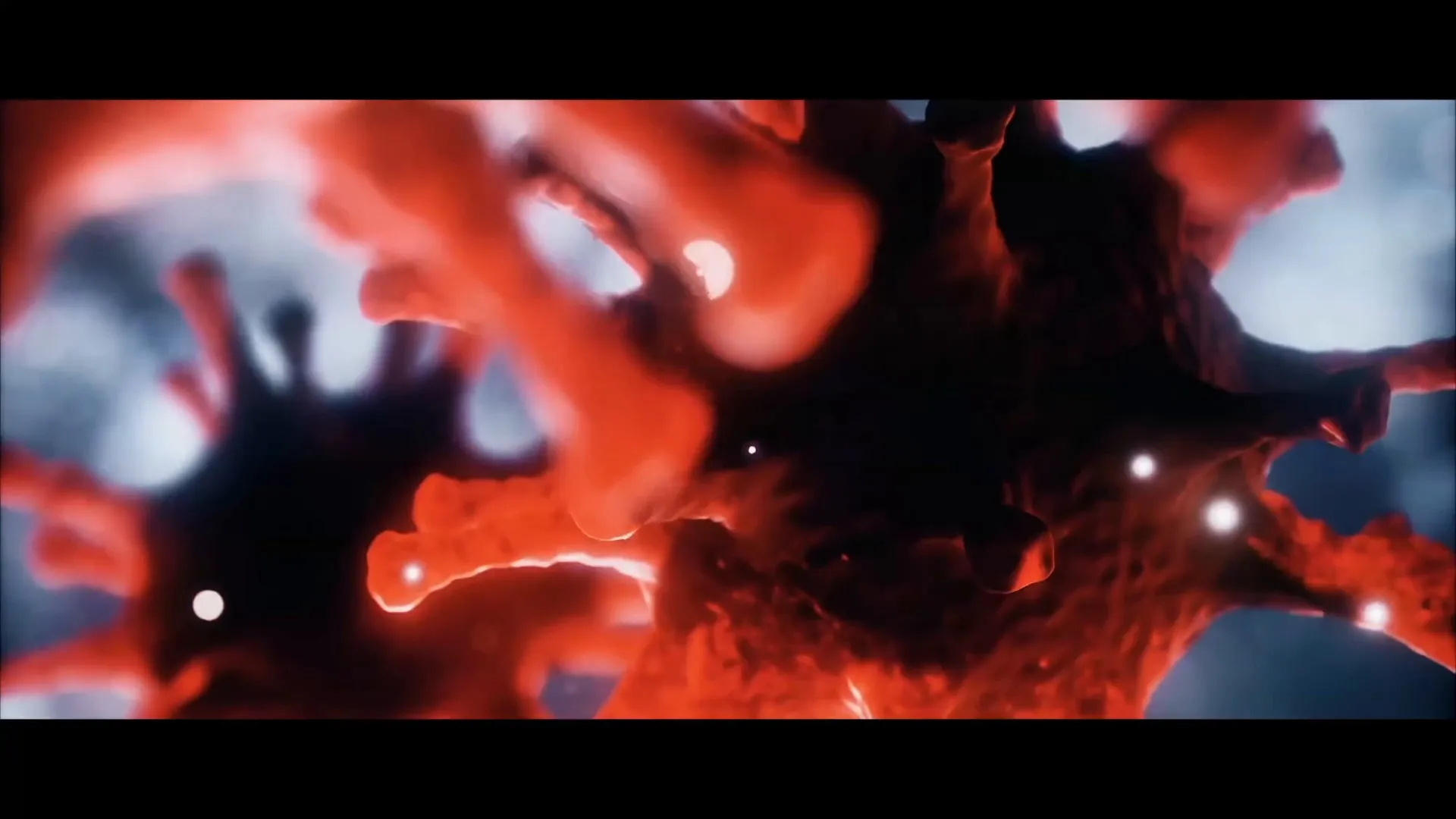
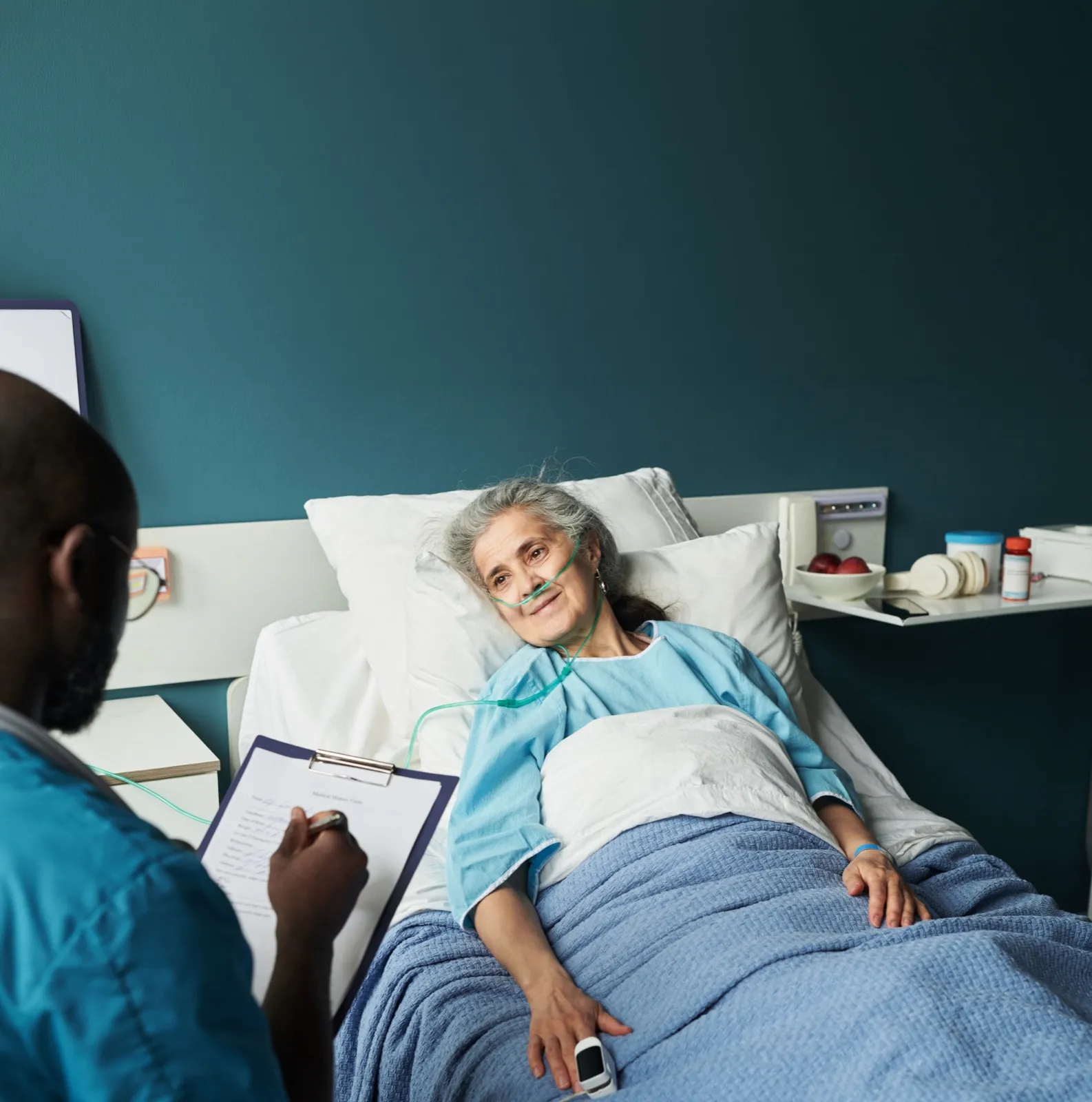
Still from the video: a patient in a hospital bed and close-ups of dry fog

Consequences

Hospital-acquired infections have consequences for both the patient and the healthcare facility

The quality of healthcare is directly linked to the quality of the environment in which it is provided. A high microbial load in a room carries over into how the whole facility functions.

01 · Patient

Longer treatment for the patient

A hospital-acquired infection prolongs hospitalisation and increases the number of procedures, examinations and the need for further treatment. In surgical patients or patients in intensive care, it can fundamentally affect the outcome of treatment and the patient's prognosis.
02 · Capacity

Lower bed availability

Every day of prolonged hospitalisation blocks a bed for the next patient. With high occupancy, infections thus lengthen waiting times, complicate the planning of procedures and reduce access to care.

03 · Antibiotics

Increased antibiotic consumption

Hospital microorganisms are often resistant to antibiotics. Every infection that requires antibiotic treatment increases their consumption and creates further selection pressure, which promotes the emergence and spread of antimicrobial resistance.

04 · Staff

Impact of an infectious environment on staff

Reducing the microbial load does not protect patients alone. It also reduces the long-term exposure of healthcare staff to microorganisms and contributes to a safer working environment.

05 · Reputation

Reputational risk for the facility

The standard of hygiene and the safety of the environment affect patients' trust in a healthcare facility. A better environment thus supports the hospital's credibility and good name.

06 · Costs

Costs that are hard to plan

Hospital-acquired infections bring costs for longer hospitalisation, additional procedures, medicines and blocked beds, even though the budget does not account for them. Prevention is therefore generally more cost-effective than subsequent treatment of infectious complications.

I want to address this at our facility

Hospital-acquired infections as an ECDC topic

According to ECDC, hospital-acquired infections in hospitals require urgent action

According to an ECDC survey, 4.3 million patients a year acquire at least one hospital-acquired infection in acute care hospitals in the EU and EEA. The adjusted prevalence is 8.0%: on the day of the survey, roughly one in thirteen hospitalised patients had an infection.

Since you opened this page (0:00)

0new healthcare-associated infections in EU/EEA hospitals

Illustrative calculation: 4.3 million patients a year according to ECDC corresponds to one infection every 7.3 s.Source: ECDC

“Healthcare-associated infections pose a significant challenge to patient safety in hospitals throughout Europe.

These recent numbers highlight the urgent need for further actions to mitigate this threat.”

“Healthcare-associated infections pose a significant challenge to patient safety in hospitals throughout Europe. These recent numbers highlight the urgent need for further actions to mitigate this threat.”

ECDC: Point prevalence survey of healthcare-associated infections and antimicrobial use in European acute care hospitals, 2022 and 2023.

Limits of the existing system

The current hygiene regime has its limits

Manual disinfection remains the foundation of the hygiene regime, but it only covers accessible surfaces. MEDIfogg® complements it by disinfecting the entire volume of the room, including the air and hard-to-reach places behind medical or laboratory equipment.

01

Air cannot be wiped clean

Manual disinfection treats only the surfaces that staff can reach. Contaminated aerosol after a procedure or a patient remains in the air, spreads throughout the room and settles on surfaces.

02

Areas behind equipment are harder to access

Behind medical equipment there are surfaces that cannot be treated manually without moving it. Dry fog also penetrates hard-to-reach places without handling sensitive devices.

03

Limits of germicidal UV lamps

Germicidal UV lamps only disinfect surfaces in the direct line of radiation. They cannot reach behind equipment or into shaded areas, and long-term exposure to UV-C gradually damages some plastics and rubber components. Dry fog fills the entire volume of the room, also penetrates shaded areas and does not damage surfaces.

Call us or fill in the form

Contact form

What interests you most about MEDIfogg®?
Choose the topics that matter most to you and we will get back to you with exactly what you are interested in.

This field is required.
Please enter a valid email address.

No obligation.
By submitting, you consent to the processing of your data for the purpose of being contacted.

Contact form

What interests you most about MEDIfogg®?
Choose the topics that matter most to you and we will get back to you with exactly what you are interested in.

This field is required.
Please enter a valid email address.

No obligation.
By submitting, you consent to the processing of your data for the purpose of being contacted.

Write to usI'm interested